How Common Cleaning Products Affect Your System
Many households rely on septic tanks as part of their wastewater management. These systems, though robust, are sensitive to various chemicals found in everyday products. Understanding what can harm your septic tank is crucial for its long-term health. When household chemicals enter the system, they can disrupt the bacteria needed to break down waste, leading to blockages and other costly issues. This article will explore how household chemicals affect septic systems and offer advice on maintaining balance.
The Role of Bacteria in Septic Systems
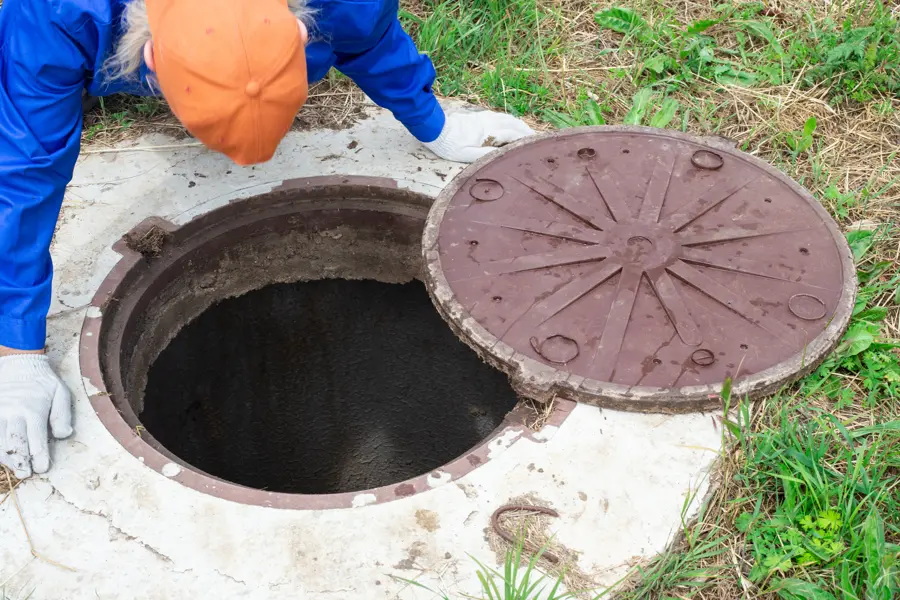
Bacteria play a vital role in breaking down solid waste in your septic tank. Without these microorganisms, waste would accumulate, causing clogs and potential overflows. The bacteria digest organic matter, turning it into simpler forms that can safely exit the system. However, many household cleaners contain harsh chemicals that kill these beneficial bacteria. To keep your system running smoothly, it’s crucial to understand the importance of natural bacterial activity within your tank.
Common Household Chemicals That Harm Your Septic Tank
A variety of cleaning agents used at home can harm your septic system. Bleach, antibacterial soaps, and harsh drain cleaners are among the most damaging. When used regularly, these substances can reduce the efficiency of your septic tank by killing essential bacteria. As a result, you may face more frequent septic tank maintenance needs and increased costs for repairs or replacements. It’s important to choose cleaning products wisely to avoid such outcomes.
Alternatives to Harmful Cleaning Products
You don’t have to compromise cleanliness to maintain a healthy septic system. Consider using biodegradable or environmentally friendly cleaning products. These alternatives are effective yet gentle on your septic tank. Vinegar and baking soda, for example, make excellent substitutes for harsher chemical-based cleaners. By opting for safer products, you can help preserve the delicate balance within your septic system without increasing your maintenance workload.
Warning Signs of Chemical Imbalance
Be alert for warning signs indicating chemical imbalance in your septic tank. Slow draining sinks, unpleasant odors, and water pooling around the drain field are common signals. If you notice any of these symptoms, your system might be struggling due to chemical exposure. Early detection allows you to address issues promptly before they escalate into significant problems requiring extensive repairs.
Steps for Effective Septic Tank Maintenance
- Pump your septic tank every three to five years.
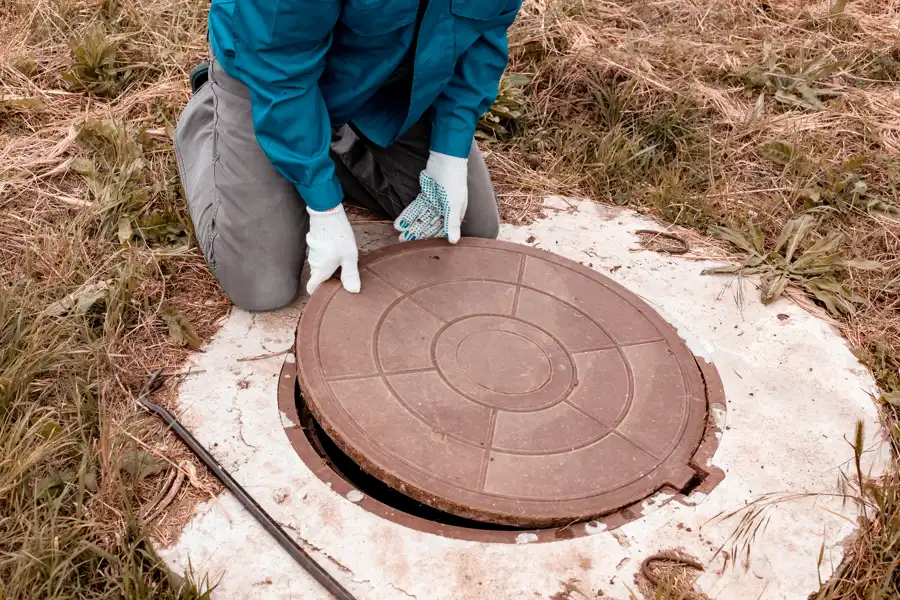
- Inspect lids and access ports regularly for leaks.
- Limit use of heavy-duty chemical cleaners.
- Use enzyme-based additives periodically to boost bacterial levels.
- Avoid flushing non-biodegradable items like wipes or feminine products.
- Conserve water to prevent hydraulic overload.
The Cost of Neglecting Your Septic System
Ignoring recommended maintenance can lead to expensive consequences. Repairing or replacing a failing septic system can cost thousands of dollars. Regular checks and mindful product choices can extend the lifespan of your tank. Proper care not only saves money but also ensures reliable wastewater management for your home. Prioritizing maintenance helps prevent unexpected expenses and keeps your system running efficiently.
Conclusion: Protect Your Investment
Your septic system is a critical component of home infrastructure. Treat it with care by selecting suitable cleaning products and following best practices for upkeep. Reach out to JR's Septic Tank Services LLC at (903) 343-2534 for expert guidance tailored to your needs. Based in Jacksonville, TX, I am dedicated to helping you maintain a balanced and efficient septic system.