
Important Points for Choosing and Setting up Your System
Choosing the right septic system can have a big impact on your home. It helps manage waste, ensuring everything runs smoothly. But before you dive in, there are several things to think about. From choosing the right location to understanding local laws, each step is important. This guide will help you make informed decisions for a successful installation.
Site Selection Matters
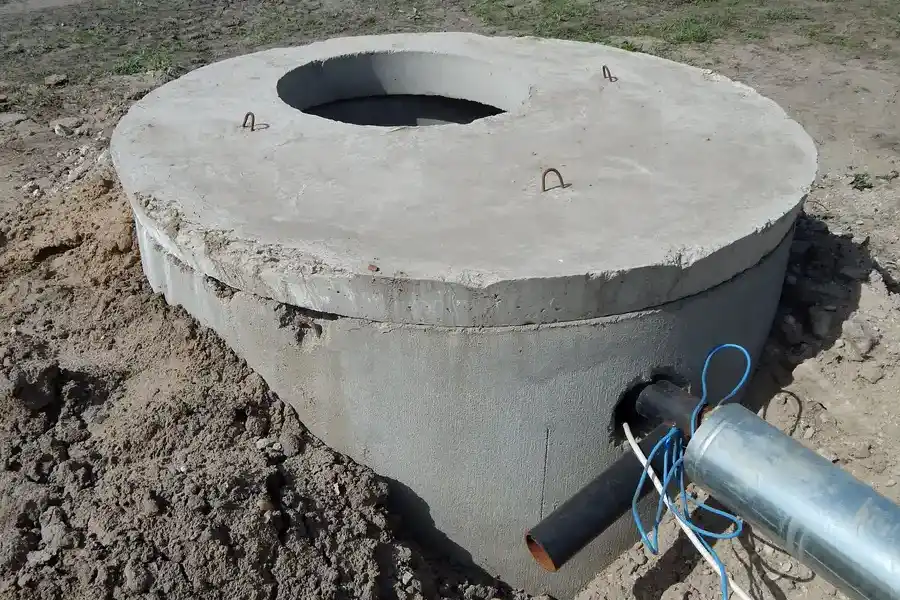
The location of your septic system plays a key role in its effectiveness. You need to find a spot that is safe and practical. The area should be away from water sources like streams and wells. It’s also crucial to ensure that the soil can absorb liquids properly. A professional can evaluate your land and suggest the best site based on these factors.
Understanding Soil Composition
Soil type affects how well your septic system functions. Some soils drain better than others. Sandy soil is usually good because it drains quickly. Clay is not ideal as it holds water. During the septic tank installation process, experts test the soil to gauge its suitability. This ensures that your system works efficiently over time.
Local Laws and Regulations
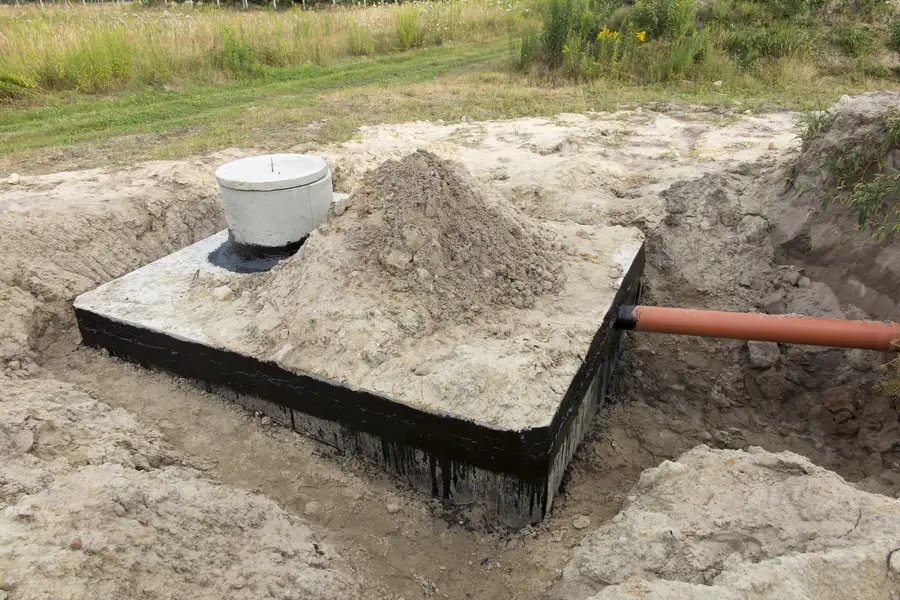
Before proceeding with a septic tank installation, it’s essential to understand local regulations. Different areas have specific rules governing septic systems. These rules may concern the distance from property lines or other environmental factors. Ignoring them could lead to fines or even require you to remove the system later. Always consult local authorities or professionals for guidance on compliance.
Sizing Your Septic System
The size of your septic system should match your household needs. A large family will require a bigger tank to handle more wastewater. Conversely, a smaller household might get by with a smaller system. Overloading a small septic system can lead to failure, so proper sizing is crucial for long-term reliability.
Cost Factors to Keep in Mind
The cost of installing a septic system varies based on several factors. These include the size of the tank, soil conditions, and labor costs. You should also budget for ongoing maintenance to keep the system running smoothly. While price matters, quality and reliability should guide your decision-making process.
- Consider future household needs when deciding on tank size
- Factor in regular maintenance costs for longevity
- Choose a reputable installer to avoid hidden charges
Maintenance Requirements
A well-maintained septic system lasts longer and performs better. Regular inspections and pumping every few years are necessary steps. This prevents blockages and extends the life of your system. Skipping maintenance can lead to costly repairs or even replacement down the line.
Common Challenges and Solutions
Septic systems come with their own set of challenges. Poor drainage can cause backups, while tree roots may invade pipes. Regular checks help catch such issues early. Also, using biodegradable cleaning products reduces stress on the system. Being proactive helps you avoid many common problems associated with septic systems.
Final Steps to Ensure Success
If you’re considering this investment, don’t rush into it. Make sure all aspects are carefully planned out. Contact JR's Septic Tank Services LLC at (903) 378-8765 for expert advice tailored to your unique situation. Based in Jacksonville, TX, I offer comprehensive services that cover every aspect of setting up a septic system effectively.