The Role of Septic Tank Capacity in Efficient Waste Management
When it comes to waste management, understanding the size of your septic tank is crucial. A septic tank’s capacity can significantly affect how well the system works. The right size ensures that waste breaks down effectively. It also prevents overflow and backups. Choosing the correct size involves evaluating household needs and usage patterns. This article explores how different sizes impact performance and guides you through making an informed decision.
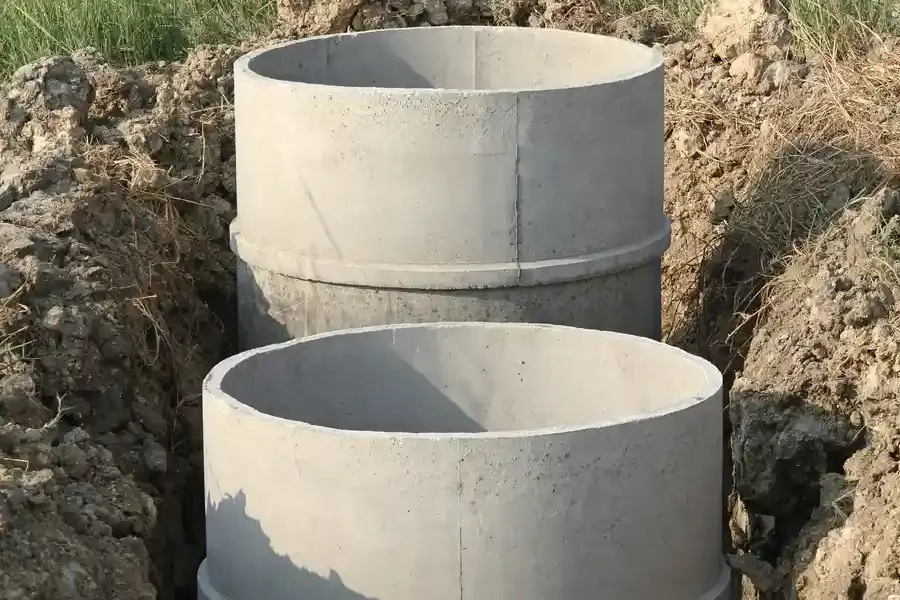
Why Size Matters for Septic Tanks
The size of a septic tank directly affects its efficiency and lifespan. A properly sized tank accommodates household waste without issue. If it’s too small, you might experience frequent overflows or blockages. On the other hand, a larger tank than necessary may lead to increased costs without added benefits. Determining the optimal size depends on several factors like household size and water usage habits.
Factors Influencing Septic Tank Installation
Septic tank installation requires careful consideration of various factors. These include local regulations, soil type, and available space. Each factor plays a role in determining the appropriate size for your property. Moreover, compliance with municipal guidelines ensures system longevity. Always engage professionals who can evaluate these aspects for tailored recommendations.
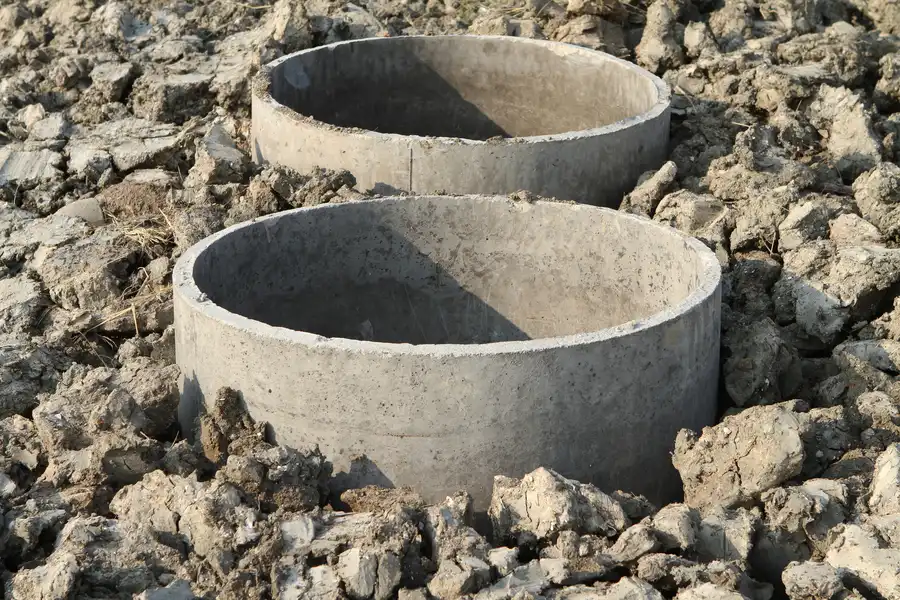
Common Problems Arising From Incorrect Tank Sizing
An incorrectly sized septic tank can cause numerous issues. Frequent plumbing problems often emerge when tanks are undersized. You may deal with slow drainage, bad odors, or even sewage backup. These complications not only disrupt daily life but also lead to costly repairs. Identifying the right size from the start helps avoid such headaches.
Steps for Proper Septic Tank Installation
- Assess household water use and number of residents.
- Consult with local authorities for zoning requirements.
- Select a reputable contractor for professional guidance.
- Ensure soil testing is conducted for site suitability.
- Final inspection after installation to confirm compliance.
Tips for Maintaining Optimal Tank Performance
Proper maintenance keeps your septic system running smoothly. Regular inspections help detect potential issues before they become major problems. It’s essential to pump the tank periodically based on usage levels. Avoid flushing non-biodegradable items which could cause blockages. Following these tips will enhance both performance and longevity.
Understanding Costs and Value Proposition
Many homeowners worry about the cost implications of septic systems. However, investing in a correctly sized tank offers long-term savings. It reduces repair costs associated with improper sizing issues. Additionally, an efficient system enhances property value by ensuring effective waste management. Weighing initial expenses against long-term benefits clarifies value propositions.
Your Next Step Towards Reliable Septic Solutions
Choosing the right septic tank size is vital for effective waste management. An accurate assessment ensures lasting performance while minimizing issues. Located in Jacksonville, TX, I offer expert advice tailored to your needs. Call (903) 343-2534 today to schedule an evaluation and safeguard your home’s sanitation system with JR's Septic Tank Services LLC.